
 +86-20-8551-8689
 export@joydell.com
 GuangDong, China




Technologies
Home
>
News

 2026-05-22
 1123
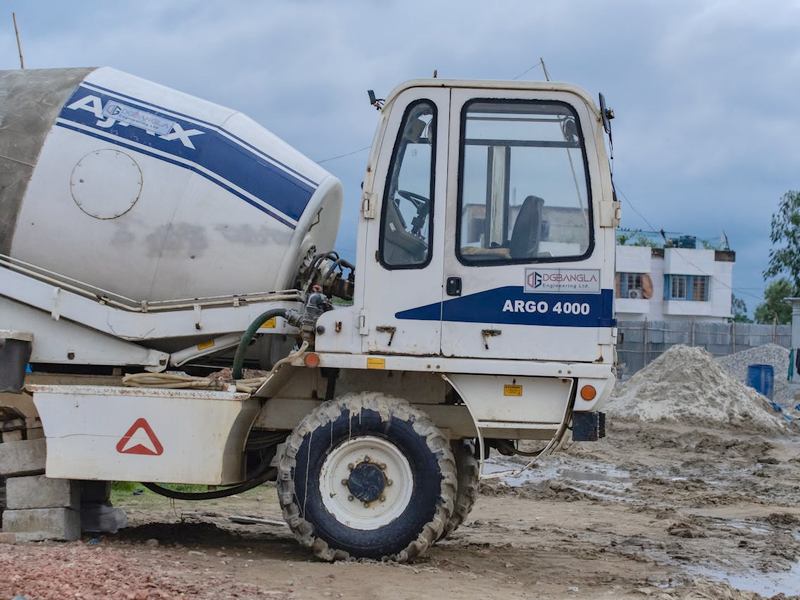
1123With the continuous growth of construction and infrastructure projects, concrete mixer trucks play an increasingly vital role in construction transportation. As specialized transport equipment that operates under heavy loads for extended periods, the safe operation and daily maintenance of concrete mixer trucks directly impact construction efficiency, vehicle stability, and personnel safety. Adhering to proper driving habits and implementing scientific maintenance management can effectively reduce breakdown rates and extend the service life of the equipment.
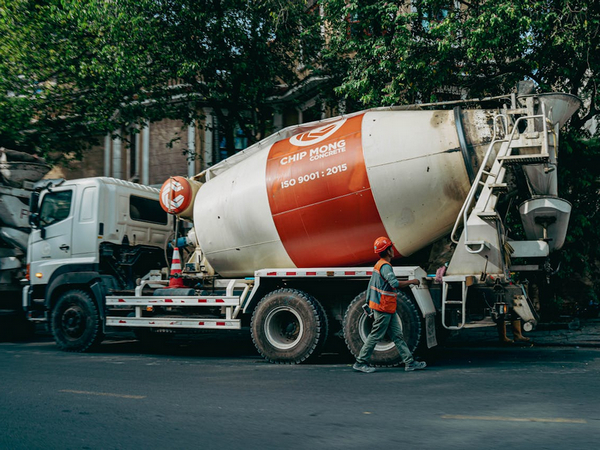
Safe driving is a critical foundation for ensuring safe construction transportation
Before setting out, drivers must conduct a comprehensive vehicle inspection, including critical components such as tire pressure, the braking system, lighting system, and mixer drum connections, to ensure the vehicle is in proper working order. Additionally, drivers should plan their routes in advance, familiarizing themselves with road construction zones, curves, and steep inclines to minimize safety risks associated with complex road conditions.
While driving, controlling speed and maintaining a safe following distance are particularly important. Since the concrete inside the drum is in a dynamic state, the vehicle’s center of gravity is prone to shifting during turns, braking, or acceleration. Therefore, drivers should avoid sudden braking, sudden acceleration, and sharp turns, and strive to maintain smooth operation to enhance driving stability.
In special conditions such as rain, snow, slippery roads, and construction sites, drivers must further reduce speed and pay closer attention to the surrounding environment. When driving within a construction site, strictly follow designated routes. When turning or reversing, arrange for a dedicated person to direct traffic if necessary to minimize safety risks.
If the vehicle experiences a sudden malfunction during transport, move it to a safe area immediately, turn on the hazard lights, and place warning signs to avoid obstructing traffic flow and compromising construction safety.
Routine maintenance helps improve vehicle reliability
Body and chassis maintenance are key components of daily maintenance for concrete mixer trucks. After each transport, the body and chassis should be washed promptly to prevent corrosion caused by long-term buildup of concrete and dirt. At the same time, regularly inspect the suspension system, steering system, and transmission components for wear, and perform lubrication maintenance to reduce mechanical wear.
Maintenance of the mixing drum is equally critical. After completing operations, the interior of the drum should be promptly cleaned with clean water and high-pressure equipment to prevent hardened concrete residue from affecting subsequent operations. Core components such as the mixing blades, gearbox, and hydraulic system also require regular inspection for wear and seal integrity to ensure the mixing system operates stably.
As the power core of the vehicle, the engine requires oil and filter changes at specified intervals, along with regular inspections of the air filter and cooling system. Maintaining proper cooling and lubrication effectively improves engine efficiency and reduces the risk of breakdowns.
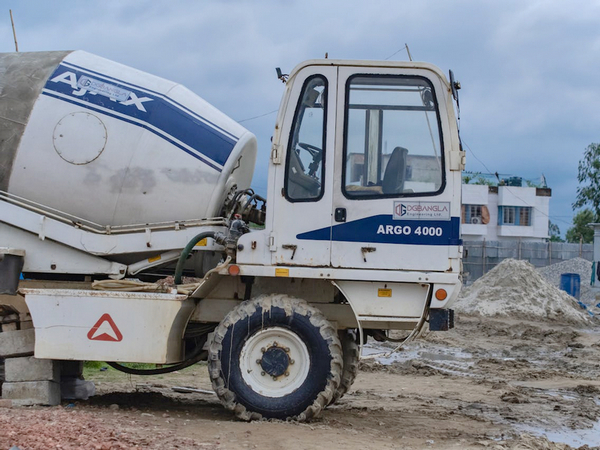
As engineering transportation demands for equipment stability and safety continue to rise, the proper operation and scientific maintenance of concrete mixer trucks are becoming crucial factors in ensuring smooth construction progress. By strengthening daily management and maintenance, we can not only improve vehicle operational efficiency but also provide safer and more reliable transportation support for construction projects.



 +86-20-8551-8689
 +86-20-8551-8689
 +86-189-3986-2805
+86-139-5926-1266
+86-159-5923-7232
+86-189-3986-2805
+86-139-5926-1266
+86-159-5923-7232
 Suite 2106, Hanyin Building, Financial City, Tianhe District, Guangzhou, Guangdong Province, China