
 +86-20-8551-8689
 export@joydell.com
 GuangDong, China




Technologies
Home
>
News

 2026-02-12
 1772
1772In daily construction machinery operation, the stability of the hydraulic system directly affects efficiency and equipment lifespan. To address hydraulic oil leakage that may occur during long-term, high-intensity work, the following practical troubleshooting and repair methods can serve as useful maintenance guidance.
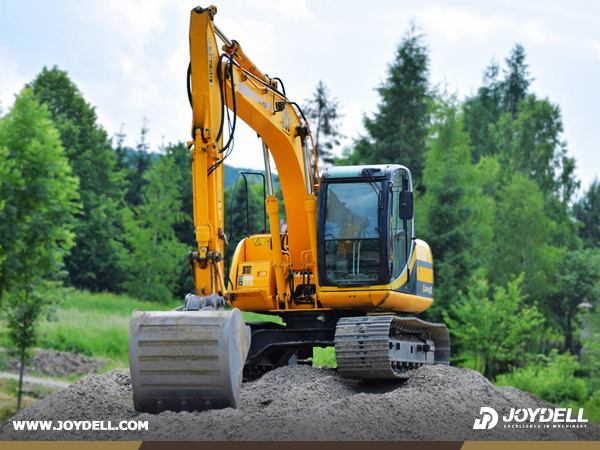
When diagnosing leakage, focus on three key areas: fasteners, seals, and the condition of the hydraulic oil. Inspect all hydraulic pipelines, joints, and bolts for looseness or improper installation. Identify leak points through visual checks and wiping tests, paying attention to components such as filters, distributors, and pressure regulators. Check O-rings and gaskets for aging or deformation and replace them if necessary. At the same time, examine the hydraulic oil for contamination or deterioration and replace it according to the manufacturer's procedures if necessary.
For repairs, take corrective actions based on the findings. Tighten or replace faulty fasteners with proper tools. Replace leaking components strictly following manufacturer specifications. During seal replacement, keep surfaces clean and ensure proper installation. When changing hydraulic oil, thoroughly clean the tank and pipelines to prevent secondary contamination.
Regular inspection and preventive maintenance are essential to avoid recurrence. Use proper diagnostic tools, select qualified hydraulic oil that meets equipment standards, and maintain a clean working environment during maintenance. Systematic troubleshooting and standardized servicing can effectively improve hydraulic system reliability, reduce failures and maintenance costs, and ensure stable long-term equipment operation.



 +86-20-8551-8689
 +86-20-8551-8689
 +86-189-3986-2805
+86-139-5926-1266
+86-159-5923-7232
+86-189-3986-2805
+86-139-5926-1266
+86-159-5923-7232
 Suite 2106, Hanyin Building, Financial City, Tianhe District, Guangzhou, Guangdong Province, China