
 +86-20-8551-8689
 export@joydell.com
 GuangDong, China




Client Visits
Home
>
Client Visits

 2025-09-16
 1327
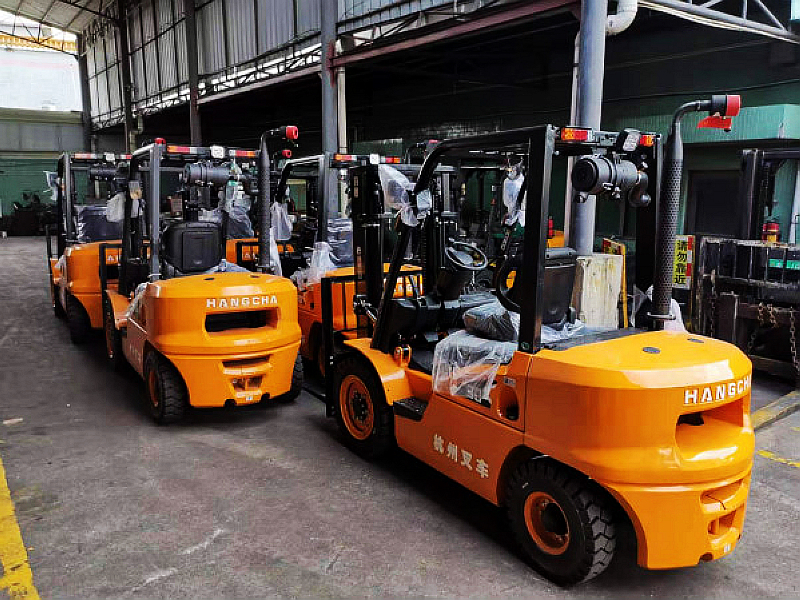
1327Proper forklift maintenance not only extends equipment lifespan but also ensures operational safety and efficiency. In logistics centers and large warehouses where forklifts often operate under full load for long hours, scientific and routine maintenance becomes especially important.
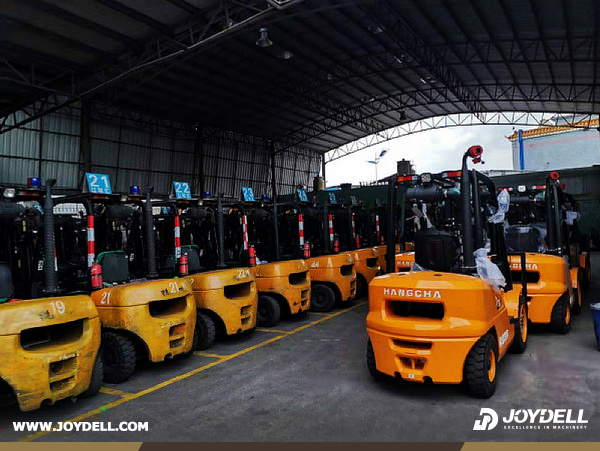
Tire condition should be a priority. Prolonged high-intensity use leads to serious tire wear, and damaged tires can cause vibrations that affect electrical and hydraulic systems. Selecting wear-resistant tires and matching suitable shock-absorbing and load-bearing wheels based on ground conditions helps maintain stable operation. Keeping the work environment clean is equally important, as debris such as pallet fragments and plastic film can become entangled in wheels and reduce efficiency.
Lubrication and hydraulic maintenance must not be overlooked. Timely replenishment of hydraulic oil and lubricants ensures proper lifting performance and rated load capacity. Operators should strictly follow the manual to avoid misoperation and minimize impact damage, especially in narrow aisle environments. Regular operator training also helps reduce equipment damage and failure rates.
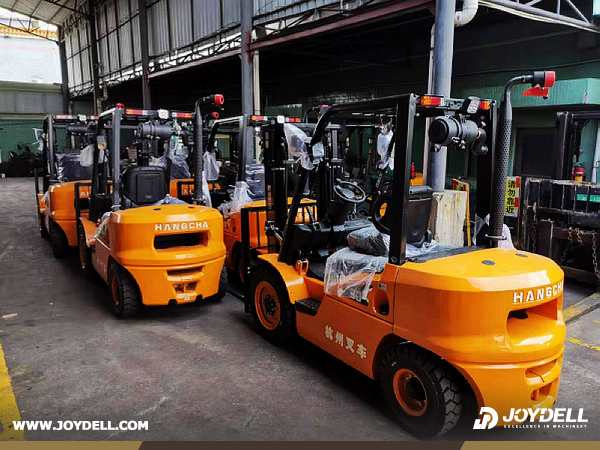
Preventive maintenance plays a key role in reducing repair costs and avoiding major failures. Establishing a scheduled inspection plan, controlling forklift usage authorization, and checking aisle conditions in advance all contribute to safer operations. After daily work, operators should pay attention to unusual sounds to detect potential issues early. For electric forklifts, proper battery care—such as checking water levels and avoiding overcharging—is essential for long-term reliability.

 +86-20-8551-8689
 +86-20-8551-8689
 +86-189-3986-2805
+86-139-5926-1266
+86-159-5923-7232
+86-189-3986-2805
+86-139-5926-1266
+86-159-5923-7232
 Suite 2106, Hanyin Building, Financial City, Tianhe District, Guangzhou, Guangdong Province, China